

Donate

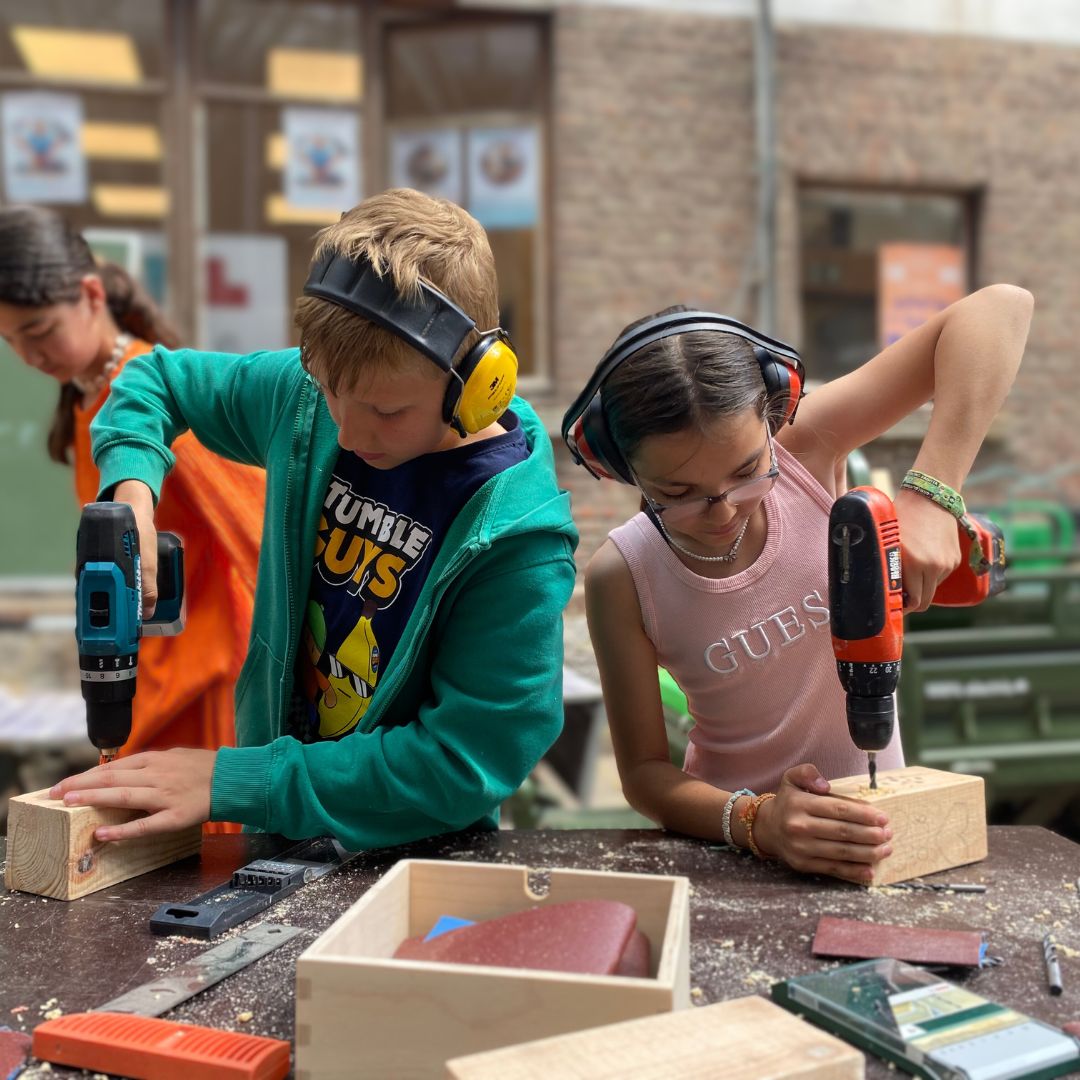
Every Saturday, more than 800 youngsters (aged 10 to 14) take part in the TADA weekend school. Through interactive workshops, voluntarily led by passionate professionals, they discover their potential, broaden their future perspectives and build their self-confidence. Throughout this three-year trajectory, they are introduced to as many as 27 different sectors, such as medicine, law and journalism.
The activities take place across five French-speaking and Dutch-speaking antennas, located in the most vulnerable neighbourhoods of Brussels (Anderlecht, Molenbeek, Schaerbeek and Saint-Josse-ten-Noode).

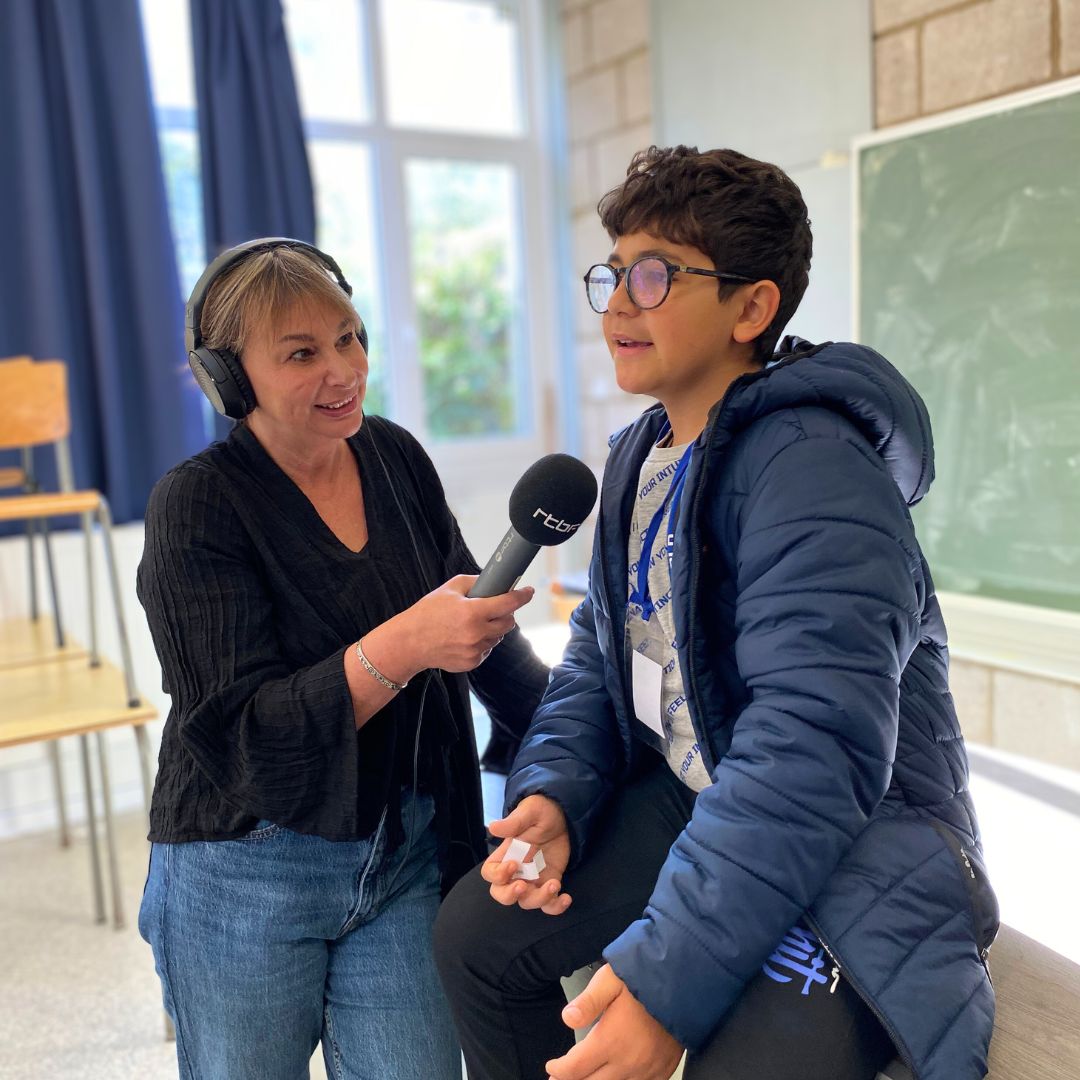
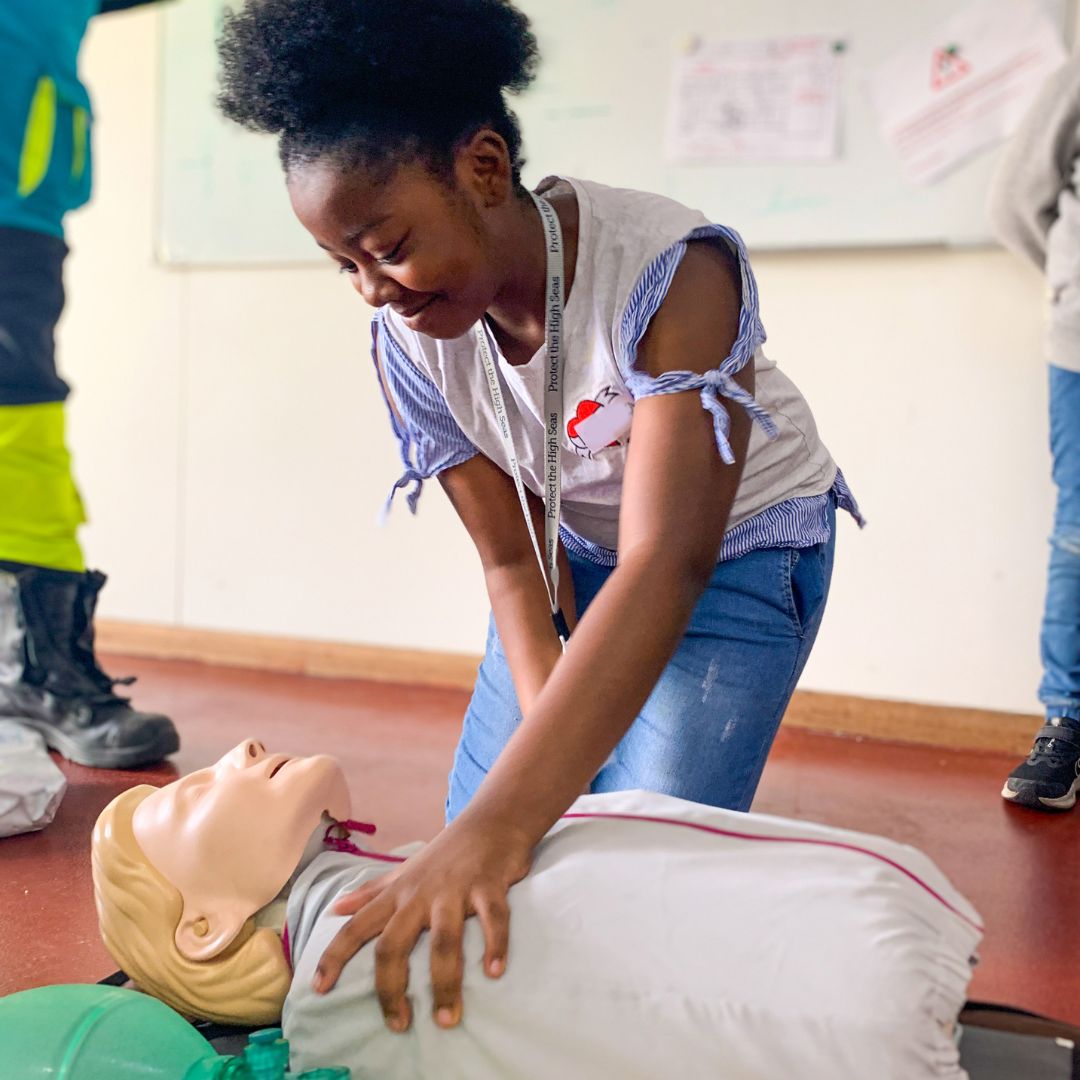


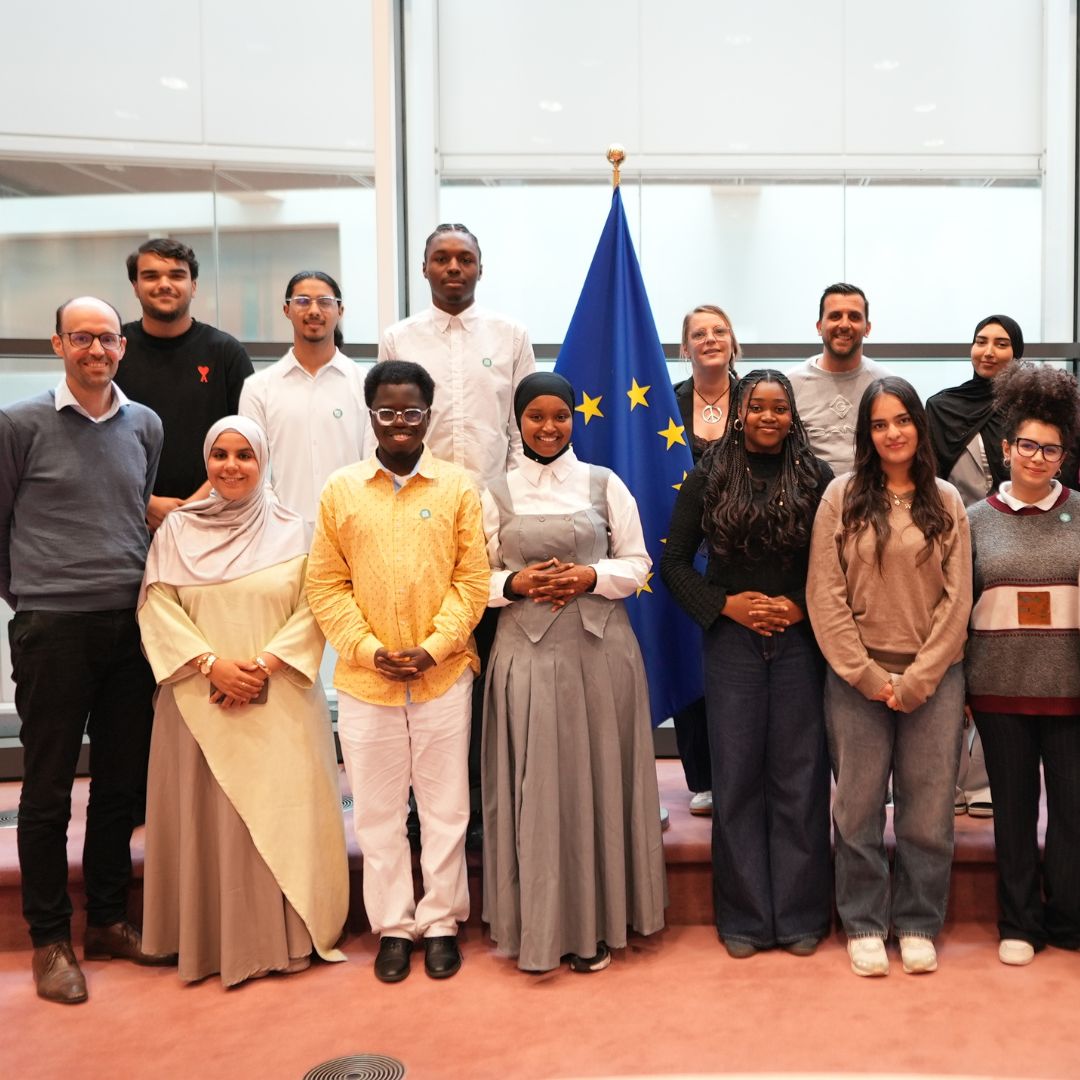
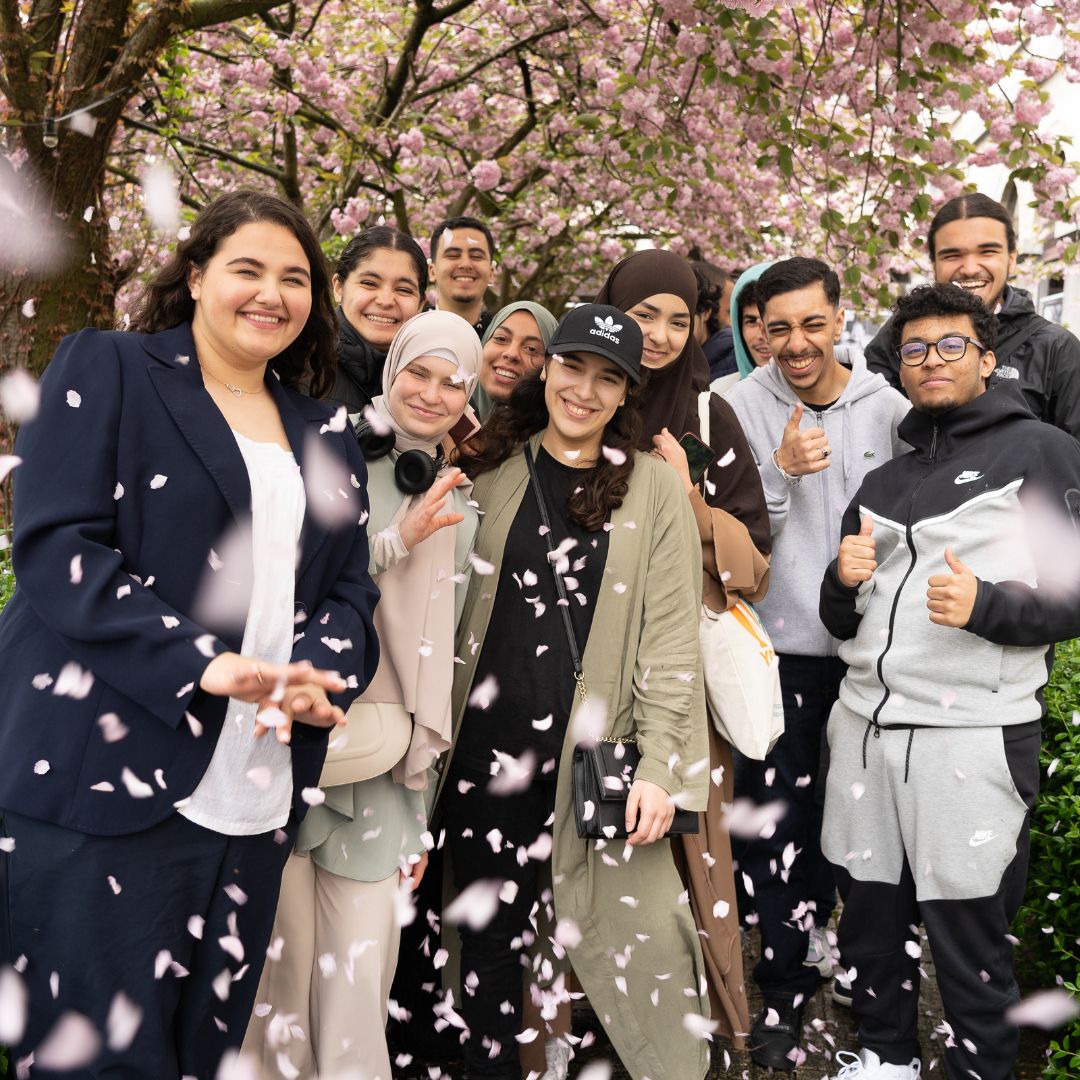
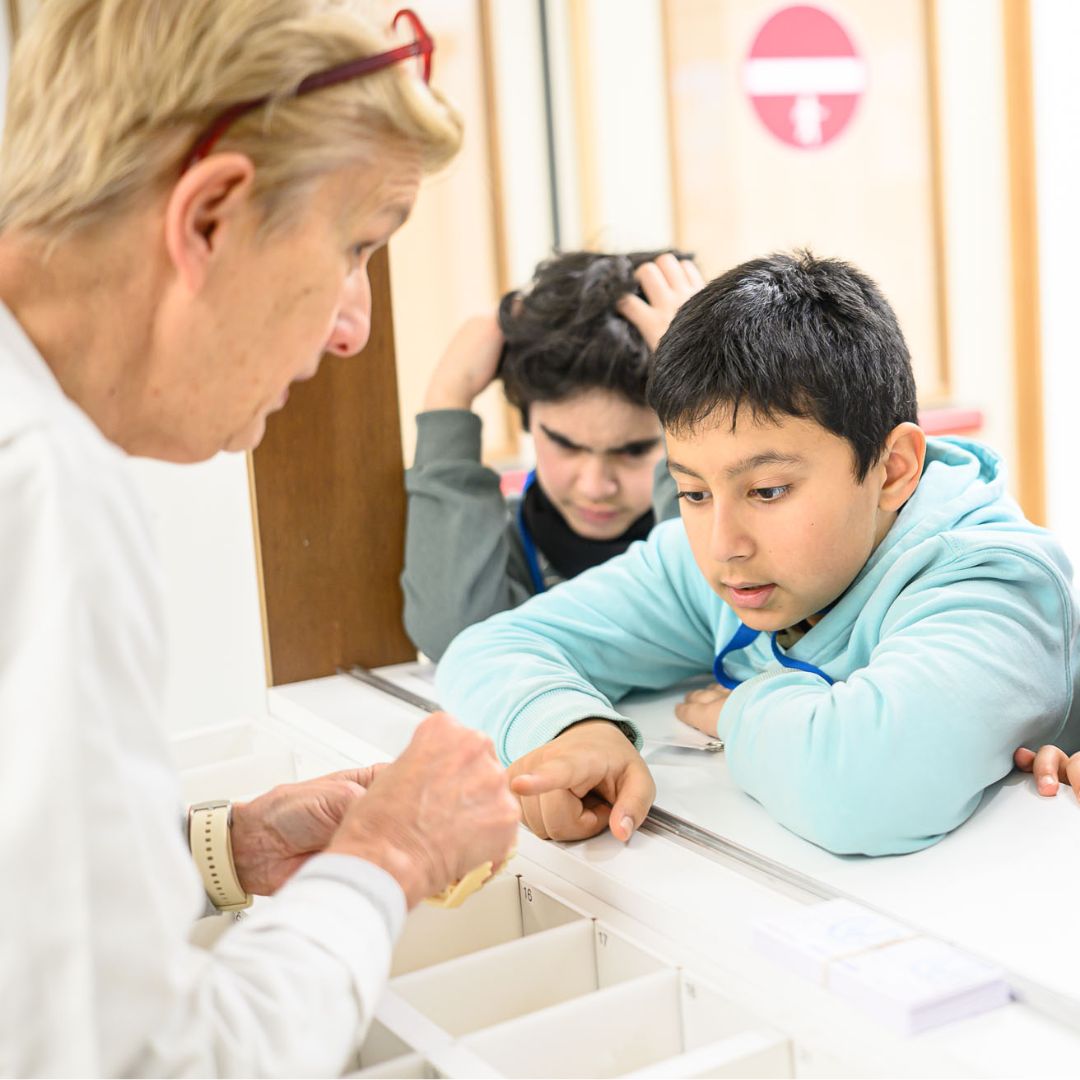
After completing the weekend school, TADA youngsters join the alumni community, which now extends to more than 2000 youth. Together with a committed network of partners, we provide them with structural support throughout their continuing school careers and personal growth. Through our mentoring programme, inspiring talks at the TADA Alumni Center, company visits and student jobs, we build a bridge between the classroom and the workplace. In doing so, we aim to prevent demotivation during a crucial phase of their lives.
The unique strength of this programme lies in its reciprocity: today, more than 300 alumni are actively involved as relatable role models, for instance as external ambassadors, volunteers or class coordinators within the weekend school.
In addition to our various forms of support, we contact all TADA alumni twice a year to follow up on their academic progress and check for any additional guidance they might need from TADA. This not only allows us to better support our alumni, but also provides valuable insights for our impact figures.

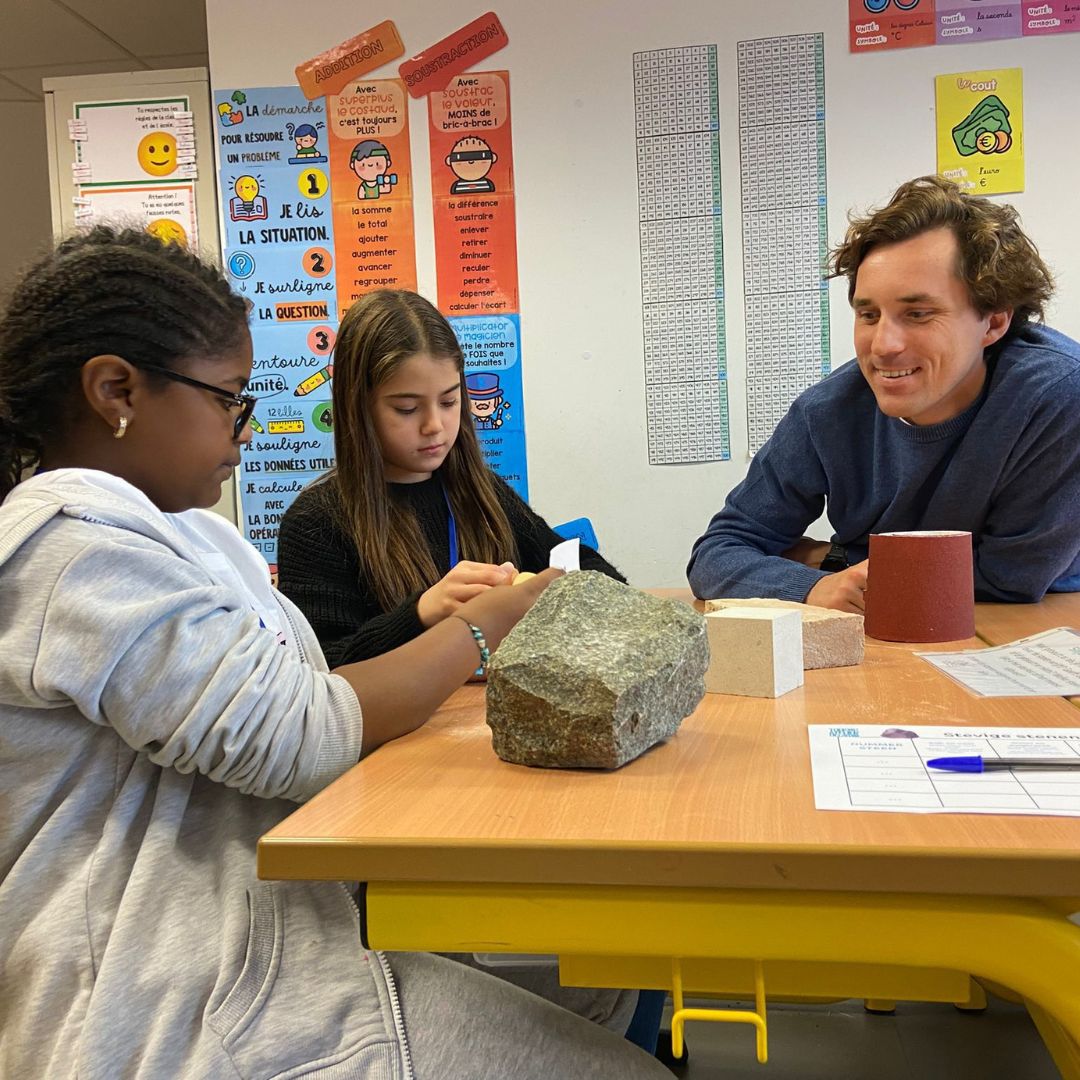
TADA also brings its pioneering approach directly into the classroom through its programme at school. We currently reach more than 140 pupils (aged 10 to 12) in regular primary education across five schools in Louvain and Verviers. During school hours, they take part in monthly interactive workshops, guided by volunteers and partner organisations from the local network surrounding the school.
With this initiative, we build an inspiring bridge between the 'world of school' and the 'professional world'. By connecting the curriculum to the local community, we aim to broadly inform and motivate pupils before any potential demotivation can set in.
TADA has the clear ambition to scale this unique approach to other cities in Flanders and Wallonia over the coming years. The expansion of the programme is scheduled for January 2027 in Mons and Ostend.
By preventing early school leaving, we reduce unemployment, which translates into a
societal gain of ~€20 for every euro invested

In 2016, TADA started a collaboration with the Vlerick Business School to monitor the impact of the organisation in a uniform and qualitative manner across the different antennas of the weekend school. In the meantime, this tool has grown into a document that covers the entire organisation.
Together, we have determined a series of indicators. The results are recorded twice a year in the TADA Impact ScoreCard. It includes both quantitative performance indicators and surveys among stakeholders.
In 2025, TADA further strengthened its mission to reduce educational inequality, not only by coaching individual youngsters but also by inspiring the broader education system. With the opening of the new TADA Alumni Center in Brussels and the successful rollout of our programme in mainstream primary schools, we are building more bridges than ever between youngsters, schools and society. Recent figures also prove that our approach works: for every euro invested in TADA, society receives a long-term return of 20 euros.
Interested in hearing our full story?
Educational inequalities are significant in Belgium. OECD PISA studies show that in Belgium, more than elsewhere in Europe, young people from disadvantaged backgrounds and/or immigrant families are more likely to drop out of school prematurely. In Brussels, the situation is alarming: 4 out of 10 children grow up in precarious conditions and are therefore at risk of dropping out of school.
Young people who leave school without a secondary school diploma often find themselves long-term unemployed. Since the corona crisis, the gap has widened further in Brussels between youngsters from vulnerable backgrounds and their better-off peers, making initiatives such as TADA crucial for the support and future of these young people.


%20(1).jpg)


